A Modern Approach to Trucking Recruitment
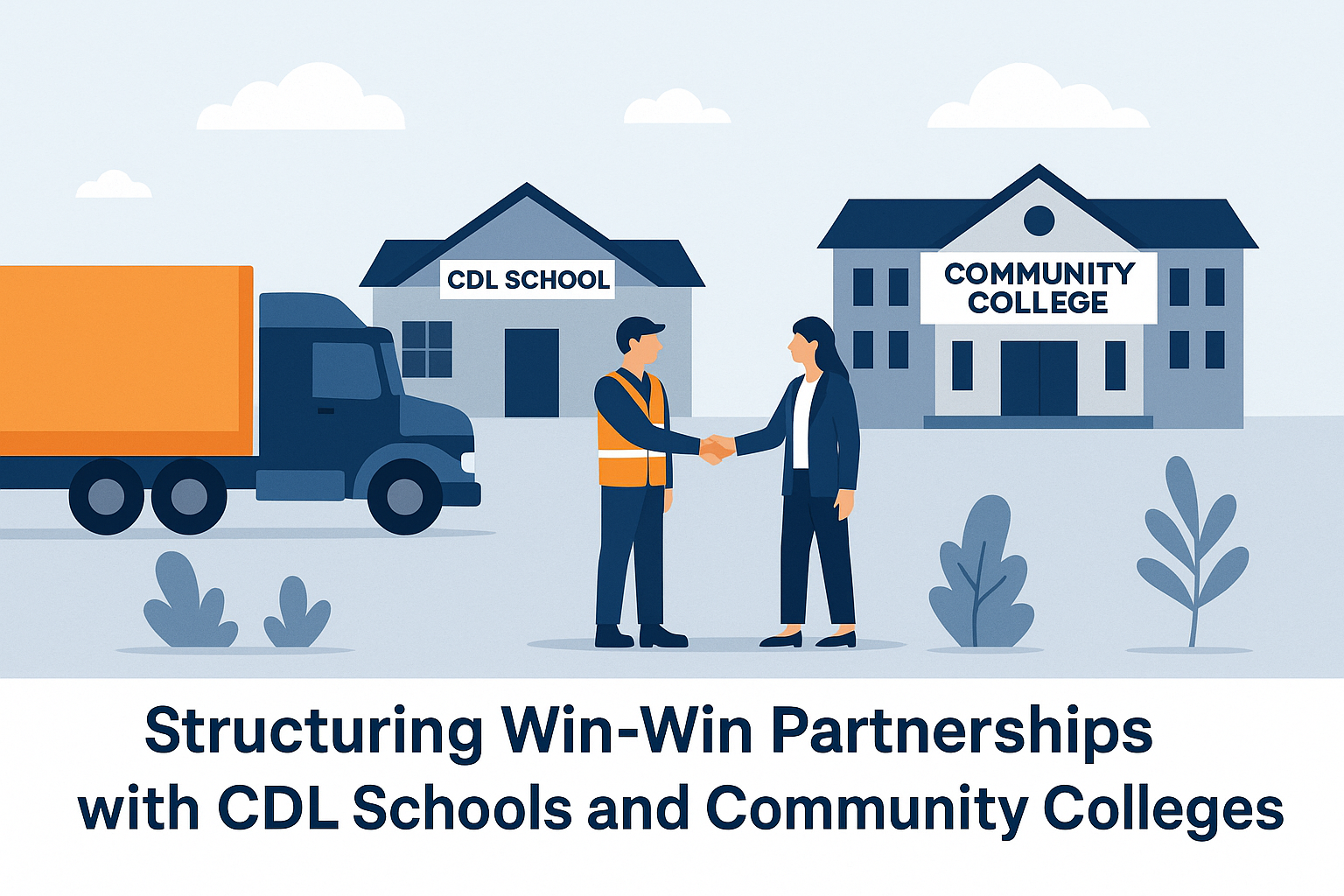
As the trucking industry undergoes rapid changes and faces recruitment challenges, one wise action that is usually taken is forming win-win partnerships with CDL schools and community colleges. CDL schools, community colleges, and trucking companies like Leadgamp are held together through these unconditional agreements and the mutual benefits they bring to the parties involved. By implementing a combined education and career development model, the companies concerned are, on their part, assisting these institutions in meeting their goals for youth employability.
CDL-Education Collaboration: Solving the Driver Shortage
The current shortage of qualified CDL drivers is not merely an issue of labor but of transportation industry stability. This is precisely the point where school CDL and community college collaborations come in as the highest influence solution. Through the creation of win-win relationships, Leadgamp, one of the most future-centric innovative and environmentally-friendly trucking firms, can efficiently and scalably fulfill its talent recruitment needs.
Teaming up with schools means that companies will form a system where both the industry and academia contribute to each other’s success, developing long-term training programs that benefit both students and fleet performance.
Benefits of Partnering with CDL Schools and Colleges
The rental of drivers who are fully job-ready straight from CDL schools and community colleges is just the primary advantage. These institutions also provide access to candidate diversity, workforce regional alignment, and training flexibility. Gymnasiums of this nature also empower recruitment strategies to shift from being reactive to being community-driven.
Instead of relying solely on job boards and third-party recruiters, companies like Leadgamp can participate in shaping curricula, offering internships, and co-hosting career fairs that yield results far beyond standard hiring campaigns.
The Mutual Benefits of CDL–College Partnership
A win-win collaboration should be advantageous to all involved parties. For companies in the trucking sector, the biggest gain is human resources — bringing in competent drivers who have undergone essential on-the-job training before entering the workforce.
In turn, community colleges and CDL schools are gaining through it by increasing life’s chance for students in terms of job placement and experiencing better curriculum, whereas they become more relevant and build community ties as well.
Key Benefits Include:
- Job-Ready Drivers: Schools create personalized training programs chunked in accordance with fleet requirements.
- Enhanced Employer Branding: Leadgamp, by virtue of being an active stakeholder in local education, not only provides image improvement but also proves its appeal to Gen Z and Millennial students.
- Higher Retention Rates: In most cases, students entering structured CDL partnerships are likely to work for the company that provided training.
- Local Workforce Development: Educational centers become fulfilled as they offer career possibilities that contribute to the regional labor market.
Steps to Form a Profitable CDL Partnership
Maximizing the collaboration opportunities requires the right structure and alignment. A formal framework guarantees responsibility, transparency, and increased utility over time. For example, here are the steps that Leadgamp follows in its CDL partnerships:
1. Define Shared Goals
The heart of a win-win initiative is the mutual agreement on the results. It could be decreasing the driver churn rate, increasing safety, or filling the regional capacity gaps. Both sides need to settle on the KPIs. This ensures that the training program is relevant to the trucking industry’s current reality.
2. Curriculum Co-Design
Instead of just accepting whatever is on offer by the school, Leadgamp actively engages in curriculum redesigning. This means contributing knowledge on:
- Federal Motor Carrier Safety Regulations (FMCSRs)
- Technology used (ELDs, dash cams, routing software)
- Preventative maintenance protocols
- Soft skills like time management and customer service
This partnership makes the classroom a reflection of what is happening out there in the industry.
3. Provide Resources & Equipment
Leadgamp’s community college collaboration includes providing older but operable rigs for student usage. CDL schools often face challenges with faulty or outdated equipment. By donating modern equipment, schools offer students better training environments.
4. Host Internship & Apprenticeship Programs
The main step involves providing summer internships or pre-hire driving experiences. At Leadgamp, we’ve created an 8-week driver shadowing program that allows students to test the waters and lets our team assess skill and cultural fit. This smooths the transition to full-time employment.

Building the Pipeline: Why It Matters
A structured collaboration approach brings many benefits, including being recognized as a key CDL partner. Schools benefit through improved staffing, better job placement, workforce readiness, access to advanced technology, and broader job role exposure.
At Leadgamp, our goal is not just to “fill seats” but to build long-term loyalty through training and engagement with young drivers. The more engaged we are with schools, the more effective our recruitment becomes.
Students also benefit greatly. Knowing that graduating from a local community college’s CDL program increases their chances of being hired by a fleet like Leadgamp motivates them, boosts enrollment, and enhances the institution’s reputation.
Common Pitfalls to Avoid
Not every partnership turns out well. Here are some common issues that derail otherwise good intentions:
- Misaligned Expectations: One side wants quick hires the other is focused on education.
- Lack of Follow-Through: No trainers, no equipment, no internships — just a written agreement.
- Minimal Communication: Without regular check-ins, misunderstandings grow.
- One-Sided Benefit: If only one party benefits (e.g. fleet gets free labor), trust erodes quickly.
Metrics That Prove Partnership Success
Successful CDL partnerships can be tracked through specific, measurable outcomes. At Leadgamp, we rely on several key performance indicators to assess value:
| Metric | Why It Matters |
| Driver retention rate | Indicates cultural and training compatibility |
| Placement rate of graduates | Measures training effectiveness and employer alignment |
| Time-to-seat | Shorter onboarding = more efficient hiring |
| Student enrollment numbers | Reflects the value perception of the program |
| Community satisfaction | Demonstrates mutual reputation and community support |

The Future of CDL-Education Collaboration
With the trucking industry under constant pressure from tech disruptions and regulations, forward-thinking fleets are deepening their commitment to education partnerships. This is no longer optional — it’s vital.
Schools need real-world input to stay relevant. Fleets need trained drivers ready to hit the road. Collaboration creates shared value.
How Leadgamp Plans to Scale CDL Partnerships:
- Creating regional training hubs co-hosted with colleges
- Launching bilingual programs for Latin-American drivers
- Offering scholarships to underrepresented groups in trucking
Final Thoughts: More Than Just Recruitment
Win-win partnerships between CDL schools, community colleges, and trucking fleets are the foundation of sustainable hiring in modern logistics. At Leadgamp, this strategy has improved retention, accelerated onboarding, and built stronger community ties.
The trucking industry thrives on skilled, committed drivers — and these drivers depend on smart, supportive partnerships. When businesses invest in structured CDL collaborations, they don’t just fill roles — they build a resilient future workforce.
It’s not about winning or losing — it’s about building the road forward.