The right recruitment plan depends on a favoritely stated CDL Certification requirements. The specificity of the commercial driver’s licenses (CDLs) is listening to operate qualified drivers who obey safety and regulation that is your aim. By assimilation of the specific requirements into your recruitment process, you could easily hiring and decrease compliance risks, as a result of the fact that everyone in your new team deviated with the environment (skills) and accreditation that got them through the transportation industry.
Knowing About the Basics of CDL Certification
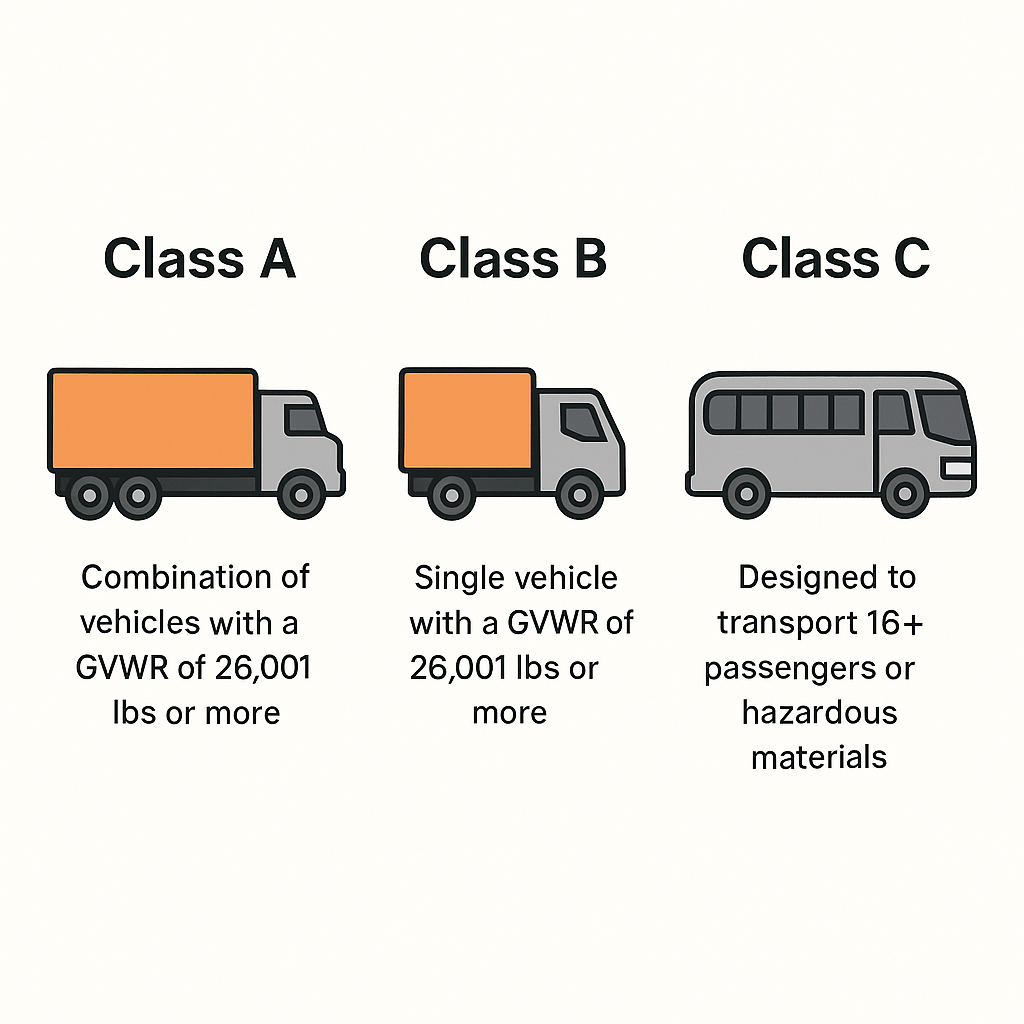
It’s very important to first learn before you hire about different classes of CDL licenses and those that come with them. This basic knowledge will help you to create realistic expectations for applicants for the position and tailor your requirements to specific positions.
| CDL Class | Description | Common Applications |
| Class A | Combination of all vehicles with a GVWR of 26,001 lbs or more, carrying | Long-haul, tanker, flatbed, dry vans. |
| Class B | Vehicle that stands alone weighing 26,001 lbs GVWR, towing under | Local delivery, bus, waste management. |
| Class C | Designing to carry passengers or hazardous materials like transportation signs too. | Passenger transport, hazmat routes. |
GVWR = Gross Vehicle Weight Rating.
By breaking it down stating which CDL class the job you are advertising needs, you lead the candidates toward the correct license and training.

Requirements and Compliance of the Law
An important process to evaluate CDL certification is the understanding of federal and state laws and restrictions. The Federal Motor Carrier Safety Administration (FMCSA) has minimum sets, but states are free to make their own additional rules. Here are a few things to remember:
- Entry-Level Driver Training (ELDT): From February 2022, every new Class A and B CDL holders must attend FMCSA-approved training before the skills test.
- Endorsements: Hazmat (H), Tanker (N), Passenger (P), School Bus (S) and Doubles/Triples (T) require specific tests and background checks.
- Medical Certification: Every driver has to keep a current Medical Examiner’s Certificate (DOT card) including the proof of fitness of duty.
- Ongoing Compliance: Random drug and alcohol tests, driving record annual reviews, and hours-of-service (HOS) logs are mandatory.
In your recruitment ads and job descriptions, these requirements should be embedded from the beginning to garner the attention of the candidates who match them or are ready to get the needed credentials.
Evaluating Candidates’ Training and Skills
As soon as you’ve figured out the requirements, the next stage is evaluating each driver’s training experience. CDL programs are not equal so have a look at these aspects:
- Training School Accreditation
- Confirm that the training establishment is listed on the FMCSA’s Training Provider Registry.
- Confirm that the training establishment is listed on the FMCSA’s Training Provider Registry.
- Curriculum Coverage
- Opt for the ones that deal with mainly knowledge (regulatory, compliance, safety) and practical skills (pre-trip inspections, backing maneuvers).
- Opt for the ones that deal with mainly knowledge (regulatory, compliance, safety) and practical skills (pre-trip inspections, backing maneuvers).
- Graduation and Job Placement Rate
- Programs with a high placement rate are usually well connected and teach effectively.
- Programs with a high placement rate are usually well connected and teach effectively.
- Instructors’ Qualifications
- Seasoned instructors with real-life driving experience deliver more substantive knowledge.
- Seasoned instructors with real-life driving experience deliver more substantive knowledge.
Encourage candidates to bring evidence of completion and endorsements. During the interviews, the quick skills assessment list can also show credible evidence for the applicants of holding both theoretical and job safety skills.
Checking the Licenses & Certifications
It is rude not to confirm the CDL Certification. The process for checking is vast, and by doing it, you help affirm comply and also reduce your liability:
- State Licensing Agencies: Check DMV records to verify the candidate’s endorsement and license class.
- FMCSA Clearinghouse: To find out drug and alcohol test results to confirm the applicant’s eligibility.
- Driving Record Abstract: Get a Motor Vehicle Record (MVR) from the last three to five years to check your suspension, violations, or accidents.
- Identity Verification: Examine the match of state-issued ID and CDL for fraud prevention.
Automating the checks in an Applicant Tracking System (ATS) is a real boost for the hiring that is done faster and where mistakes are few. For example, Trucking Talent has functions for MVR pulls and Clearinghouse checks totally integrated into candidate profiles, so that saves a lot of time and recruits the up-to-date information.
Requirement Job Roles & Alignment
Each road has a different level of certification and experience, of course. Customize requirements from the beginning to prevent both over qualification and under qualification:
| Role | CDL Class & Endorsements | Preferred Experience |
| Regional Dry-Van Driver | Class A, Doubles/Triples (T) | 1–2 years regional driving |
| Local School Bus Driver | Class C, Passenger (P), School Bus (S) | Familiarity with children transport |
| Hazmat Tanker Operator | Class A, Hazmat (H), Tanker (N) | Certified hazmat, 3+ years of handling |
Through the proper listing of certification and license for each open position, you will not only streamline the application process but also improve your ability to fill the position quickly with the right fit.
Route Integration CDL Evaluation in the Recruitment Process
To carry out the recruitment easily, prepare a process that carries the steps of CDL evaluation out.
- Job Posting
- All necessary license class, endorsements, and medical certification requirements have to be stated explicitly.
- All necessary license class, endorsements, and medical certification requirements have to be stated explicitly.
- Pre-Screening Questionnaire
- The questions to be asked are regarding the training school, license expiry, and endorsements.
- The questions to be asked are regarding the training school, license expiry, and endorsements.
- Document Upload
- The upload should require the digital copies of the CDL, Medical Examiner’s Certificate, and any endorsements.
- The upload should require the digital copies of the CDL, Medical Examiner’s Certificate, and any endorsements.
- Automated Compliance Checks
- A platform should be found that pulls MVRs and Clearinghouse data of a candidate without manual requests.
- A platform should be found that pulls MVRs and Clearinghouse data of a candidate without manual requests.
- Final Interview
- Make the candidate behind-the-wheel simulation or demonstration short, to check practical skills.
- Make the candidate behind-the-wheel simulation or demonstration short, to check practical skills.
This organized method not only reduces the administrative burden but also enriches the candidate experience by creating a transparent atmosphere from the very beginning of their journey.
Key Approaches to Sustained Development
Once you’ve successfully hired, the rest of the job is to modify your CDL requirements and evaluation techniques along the line:
- Periodic Checks: Perform quarterly checks of your compliance metrics (like failed drug tests and violations) to notice any repeated issues.
- Feedback Loop: Collect opinions from driver performance and skill gap safety managers and operational teams.
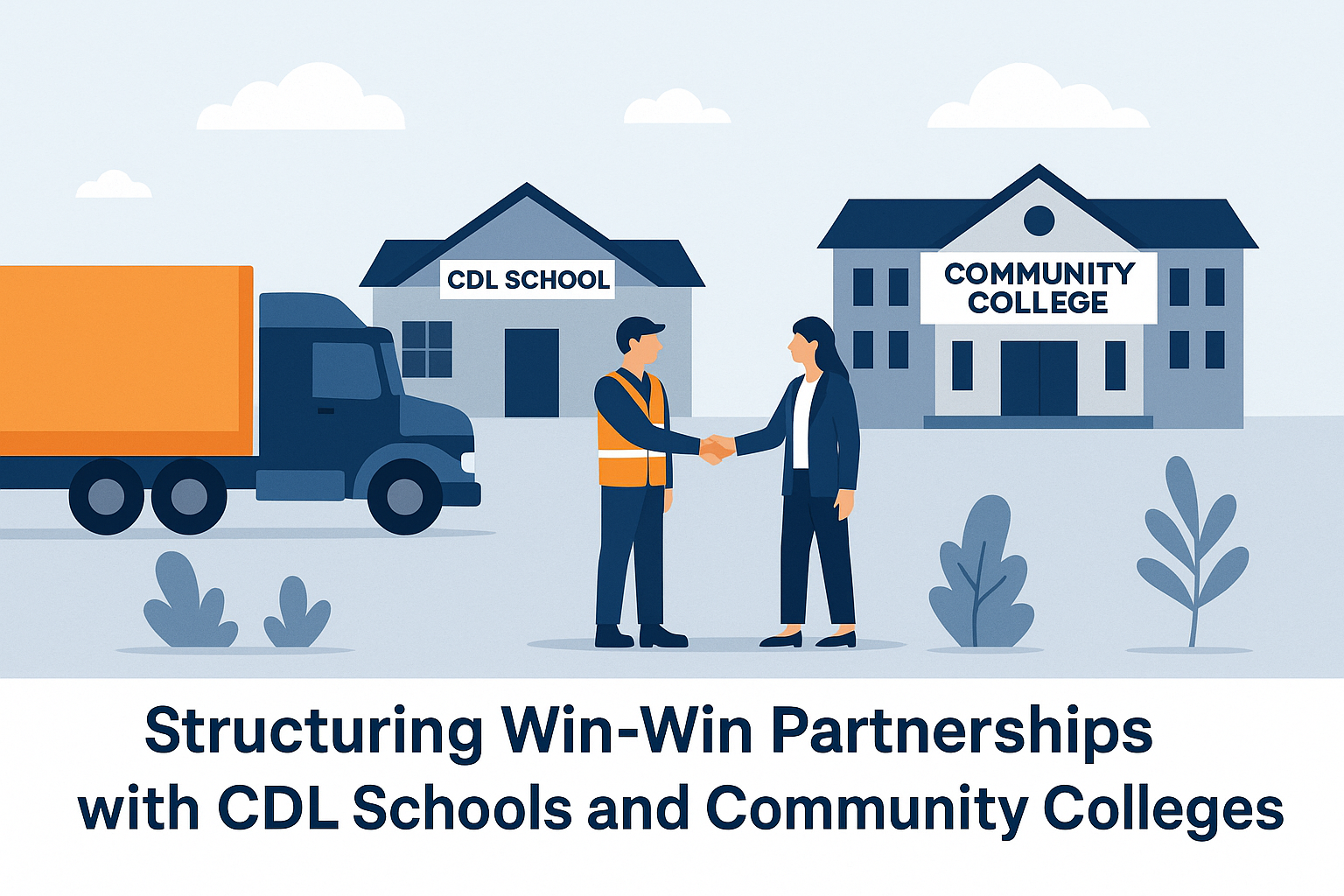
- Training Memberships: Collaborate with the local driving schools to promote your curriculum and supply you with a steady flow of new qualified graduates.
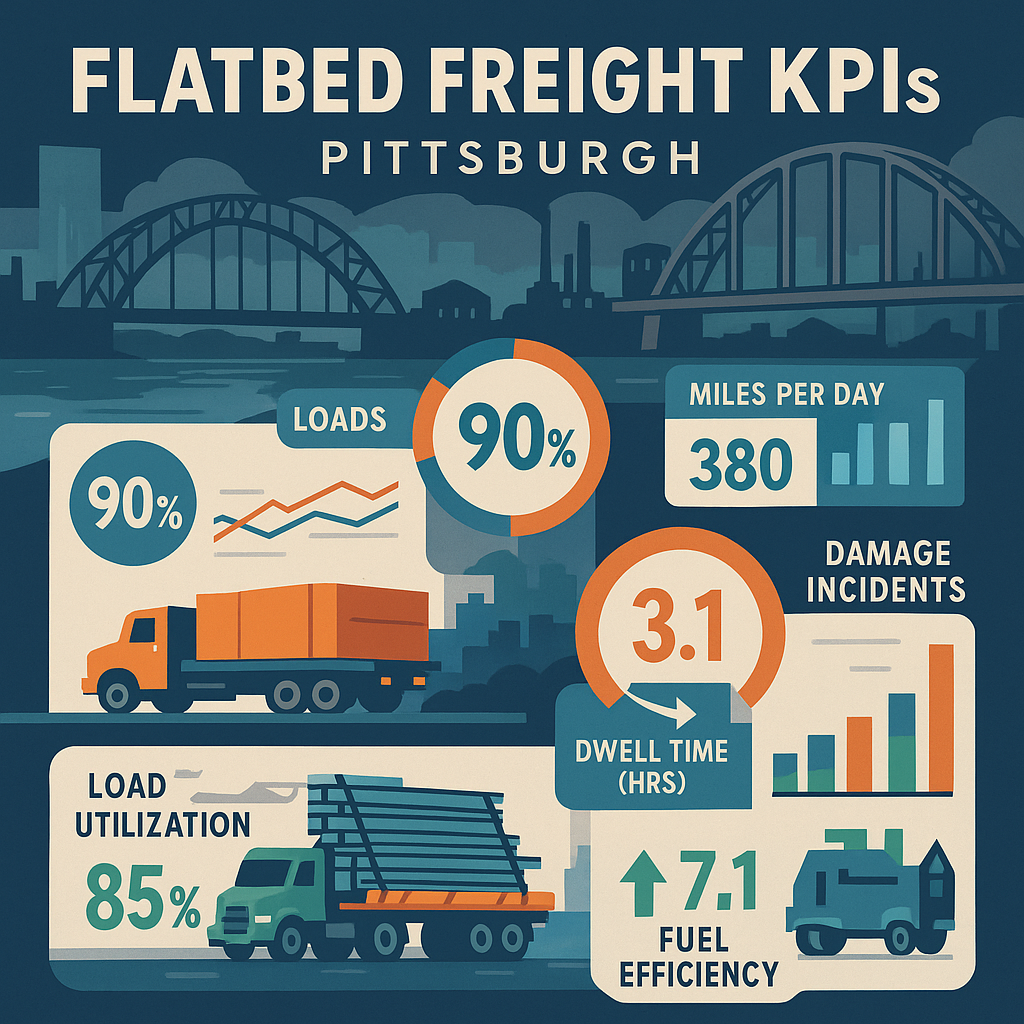
- Technological Improvements: Apply telematics and mobile apps to check your compliance on HOS, fuel efficiency, and safety metrics.
Design CDL certification evaluation as a pre-req starting process in this way make your recruitment strategy safe, and have full-time drivers with a low turnover rate.